you can find this page online at www.holyisle.org
skip to content

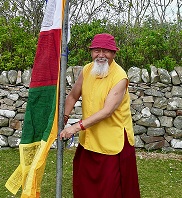
The Abbot, Lama Yeshe Losal Rinpoche


 a Short Biography

Chairman of Rokpa Trust
Abbot and Retreat Master of Kagyu Samye Ling
Executive Director of The Holy Isle Project


Born in 1943 in Kham, East Tibet, Lama Yeshe spent his formative years in education at Dolma Lhakang Monastery  where his brother Akong Tulku Rinpoche was Abbot. After escaping from Tibet in 1959, Lama Yeshe continued his education at the Young Lamas Home School in Dalhousie, India before leaving in 1967 to serve as Private Secretary to His Holiness the 16th Gyalwa Karmapa at Rumtek Monastery in Sikkim.

In 1969 Lama Yeshe joined Akong Tulku Rinpoche and Chogyam Trungpa Rinpoche in Scotland where they had founded Kagyu Samye Ling.  Five years later he accompanied H.H. Karmapa on a tour of the United States.   At this point, he and Lama Tenzin Chonyi, were asked to establish and run Karma Triyana Dharmacakra Centre in Woodstock, New York, which is H.H. Karmapa's main seat in America.  

In 1980 he took full ordination as a Gelong monk from His Holiness on the auspicious date of the anniversary of Lord Buddha's Nirvana and Parinirvana.  Following his ordination Lama Yeshe entered a long-term solitary retreat, under the guidance of the Abbot of Karma Triyana, Khenpo Karthar Rinpoche.  In 1985, at the request of his brother Akong Tulku Rinpoche, Lama Yeshe returned to Scotland to continue his retreat at Samye Ling Purelands Retreat Centre and in 1989 became Retreat Master with responsibility for the western practitioners who were in the cloistered four year retreat.

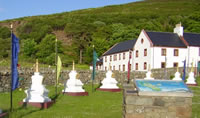
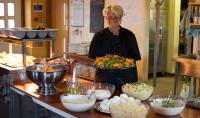
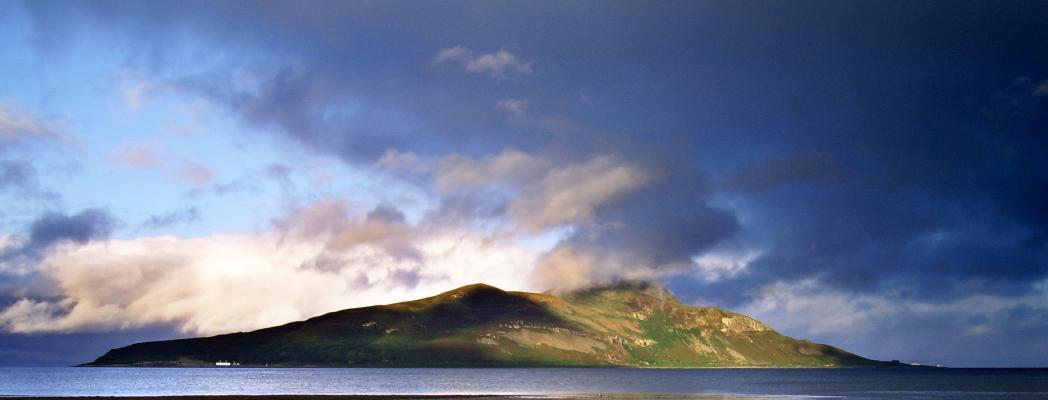
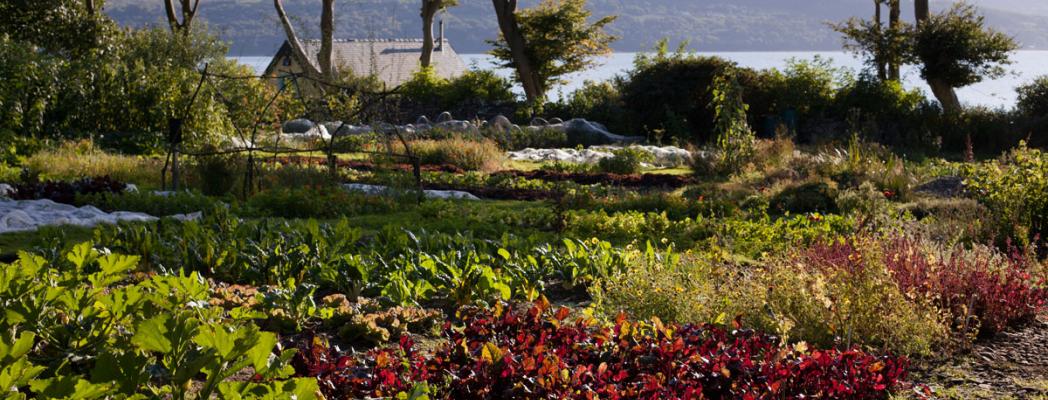
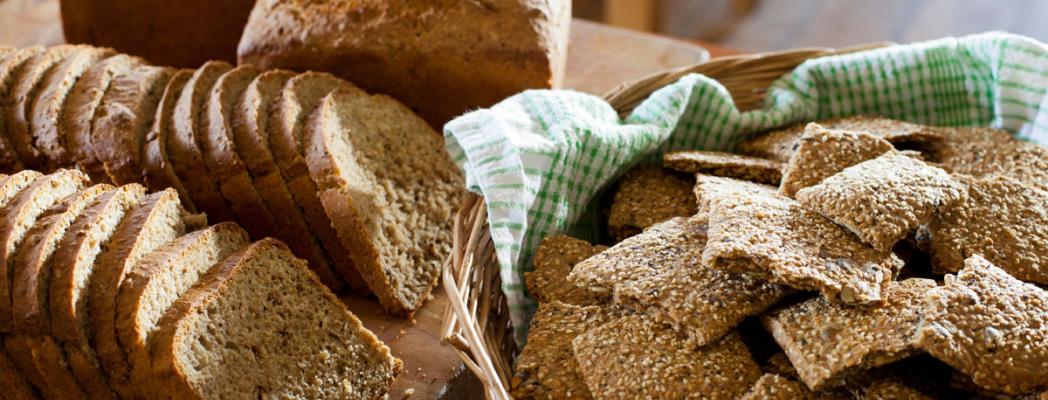
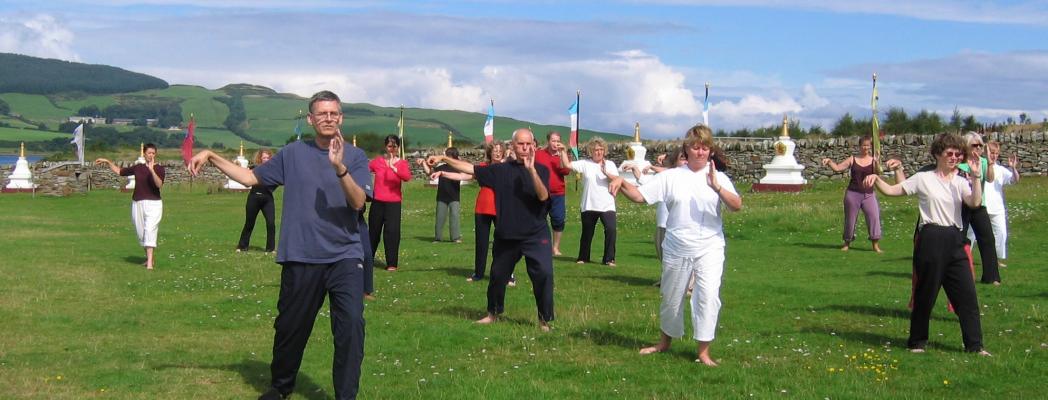
Despite his heartfelt wish to remain in retreat for twenty years, towards the end of 1991 Lama Yeshe was obliged to return to the world to take responsibility for the running of Samye Ling and also to direct The Holy Isle Project.  Since its acquisition in April 1992, under Lama Yeshe's guidance, and with financial and sometimes physical help from supporters around the globe, Holy Isle has become the site of the Centre for World Peace and Health, which offers accommodation for up to 60 people as well as the magnificent Peace Hall.  Built with sustainable environmentally-friendly materials wherever possible, the Centre was opened to the public in May 2003.  It now hosts regular courses and retreats during the summer months when the island is easily accessible, and has become renowned for its tranquility and beauty, as well as the excellent vegetarian food!

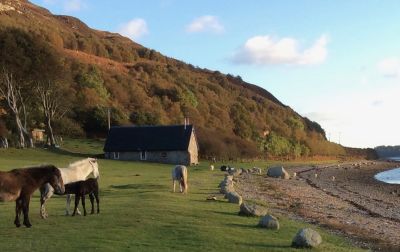
Meanwhile, elsewhere on the island, previously existing light-house cottages have been renovated to become a long-term retreat house for women where the first traditional Buddhist three-year, three-month retreat on Holy Isle was completed in March 2006.

As the first and largest Tibetan Buddhist Centre in Europe, Samye Ling is home to an increasing number of resident ordained sangha and lay practitioners.  The centre also continues to attract thousands of visitors who come to tour the beautiful temple and grounds or to attend one of the many courses on offer.  In 1995 the title of "Abbot" was conferred upon Lama Yeshe and his first action as Abbot was to establish the Samye Sangha Foundation to help the monks and nuns become self-supporting.

In November 1998 he received the "Sasana Kirthi Sri" award at the International Sarvodaya Bhikku Congress in Sri Lanka.  This makes him the first Tibetan Lama to make such a connection with the Theravadin community, an important step in inter-faith relations.

Since he was a young boy, Lama Yeshe Losal has received teachings from many of the highest Kagyu Lamas, including extensive teachings and initiations from his root guru H.H. the 16th Karmapa, and also teachings from The 12th Tai Situpa, Jamgon Kongtrul Rinpoche, Gyaltsap Rinpoche, and the Very Venerable Kalu Rinpoche.  More recently, he received teachings from Tulku Urgyen who supervised his 49 day Bardo retreat of solitude and darkness in Nepal.  In 1997 Lama Yeshe was able to complete a second 49 day Bardo retreat on Holy Isle in the specially built retreat-master's cabin there.

Lama Yeshe's teaching is always very practical and down-to-earth, and he prefers to rely on the spoken word and a direct relationship with his students.  But many of them who live far away and can spend little time with him have repeatedly requested him to write something they can use when he is not there.  To fulfill their wishes, and to provide something simple and easy to understand for non-Buddhists who are interested in meditation and how to apply it to their everyday lives, he published his first book, "Living Dharma" in 2000.  This has been well received in many countries and has been translated into French, German, Finnish and Spanish.

In August 2003, on the occasion of his 60th birthday celebration, Lama Yeshe was awarded the title "Rinpoche" in honour of his commitment to establishing a strong ordained Sangha in the West, and as recognition of his achievements as Abbot, not to mention his inspiration and example to many thousands of friends and students around the world.

His participation in inter faith dialogue at home and abroad continues.  On Holy Isle in August 2003, he hosted a visit of the Religious Leaders of Scotland and has forged lasting friendships with several of his fellow faith leaders.  In February 2002, for example, he was attended the European Parliament in Brussels as the guest of the Moderator of the General Assembly of the Church of Scotland.  Later that year, during the celebration of Her Majesty the Queen's Golden Jubilee he was invited to a reception at Buckingham Palace where he was able to meet the Queen and other members of the Royal family, presenting Her Majesty with a traditional silk scarf and Tibetan thanka.

Rokpa Trust has many parts including Samye Ling, The Holy Isle Project and numerous charitable projects both at home and overseas.  Lama Yeshe Losal is the Trust's indefatigable Chairman whose energy and inspiration fuel its far reaching activities which benefit so many people in so many ways.
Join our email newsletter

Email:

for running courses and retreats
Visit our blog